
Intelligent Physiq
Exercise Science, Neuroscience & Yoga
One-on-One & Small Group Sessions
Intelligent Physiq Training System
-
Level 1
STABILITY & MOBILITY
-
Level 2
BALANCE & COORDINATION
-
Level 3
STRENGTH & POWER
-
Level 4
FITNESS & MOMENTUM
Intelligent Physiq design tailored routines to protect and develop your physical health, mitigate pain, injury and falls and improve your life quality for longevity. Overcome your obstacles. Strive for Physical Intelligence.
Assessments
-
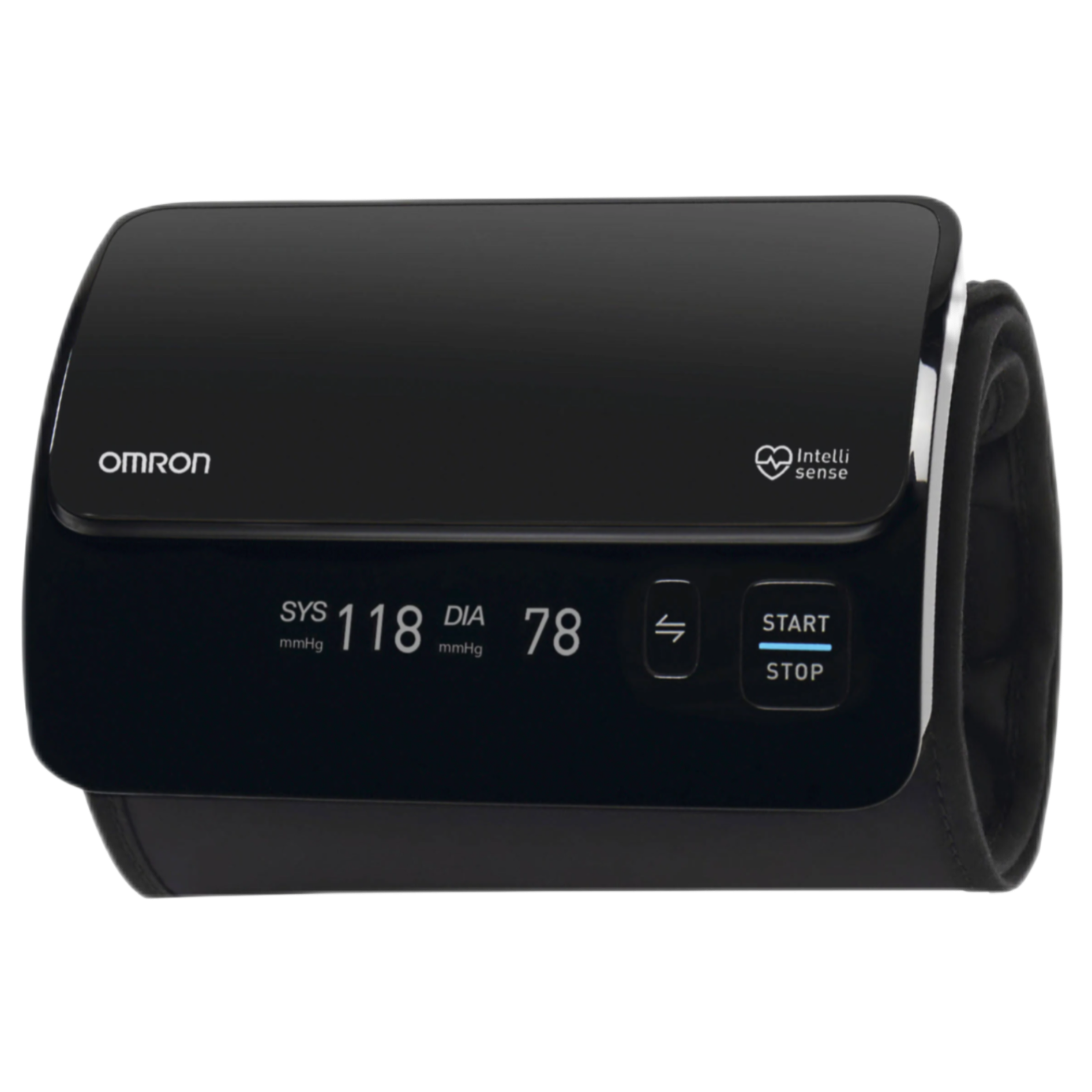
Blood Pressure
Blood Pressure in response to Exercise
-
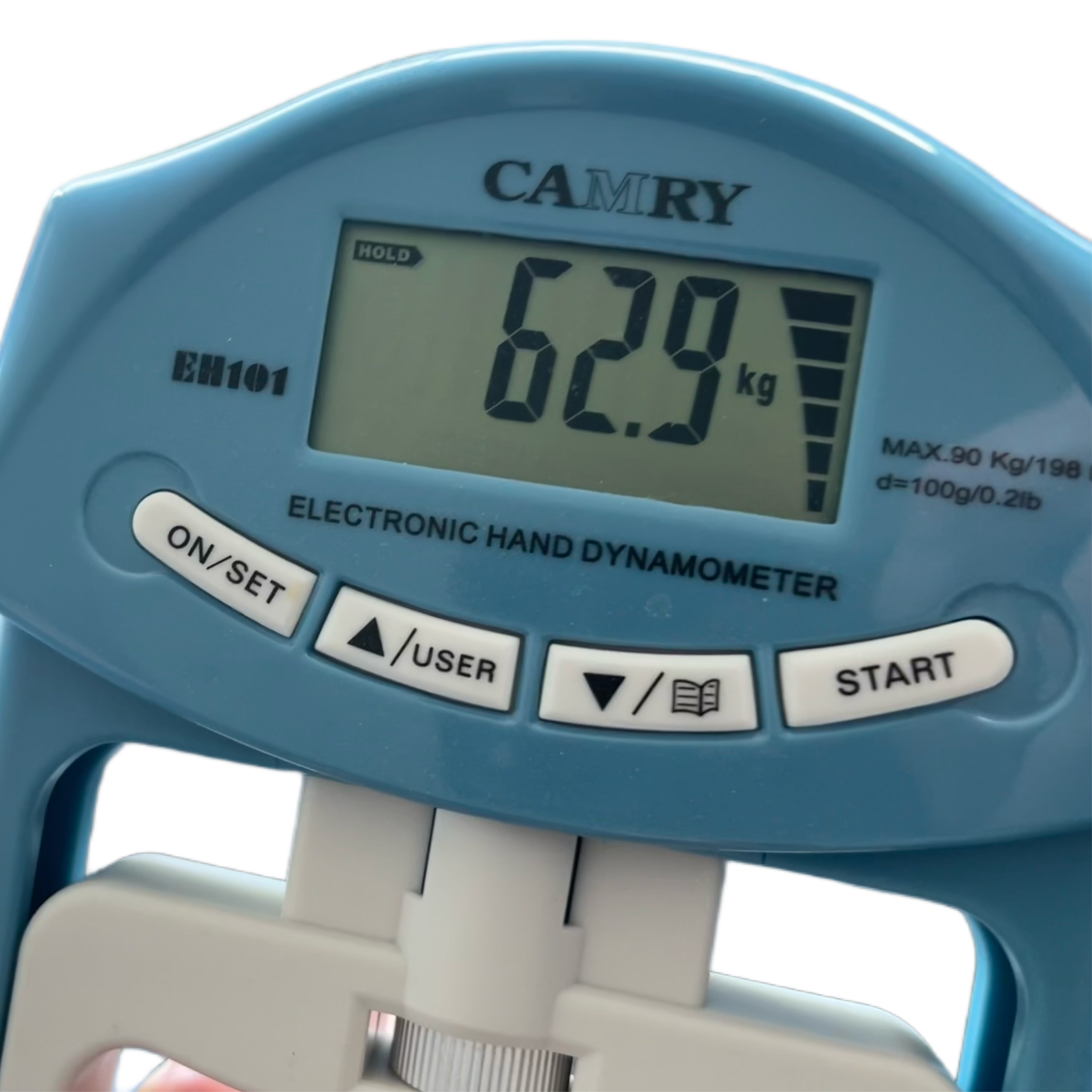
Grip Strength
Universal measure of longevity and overall strength
-
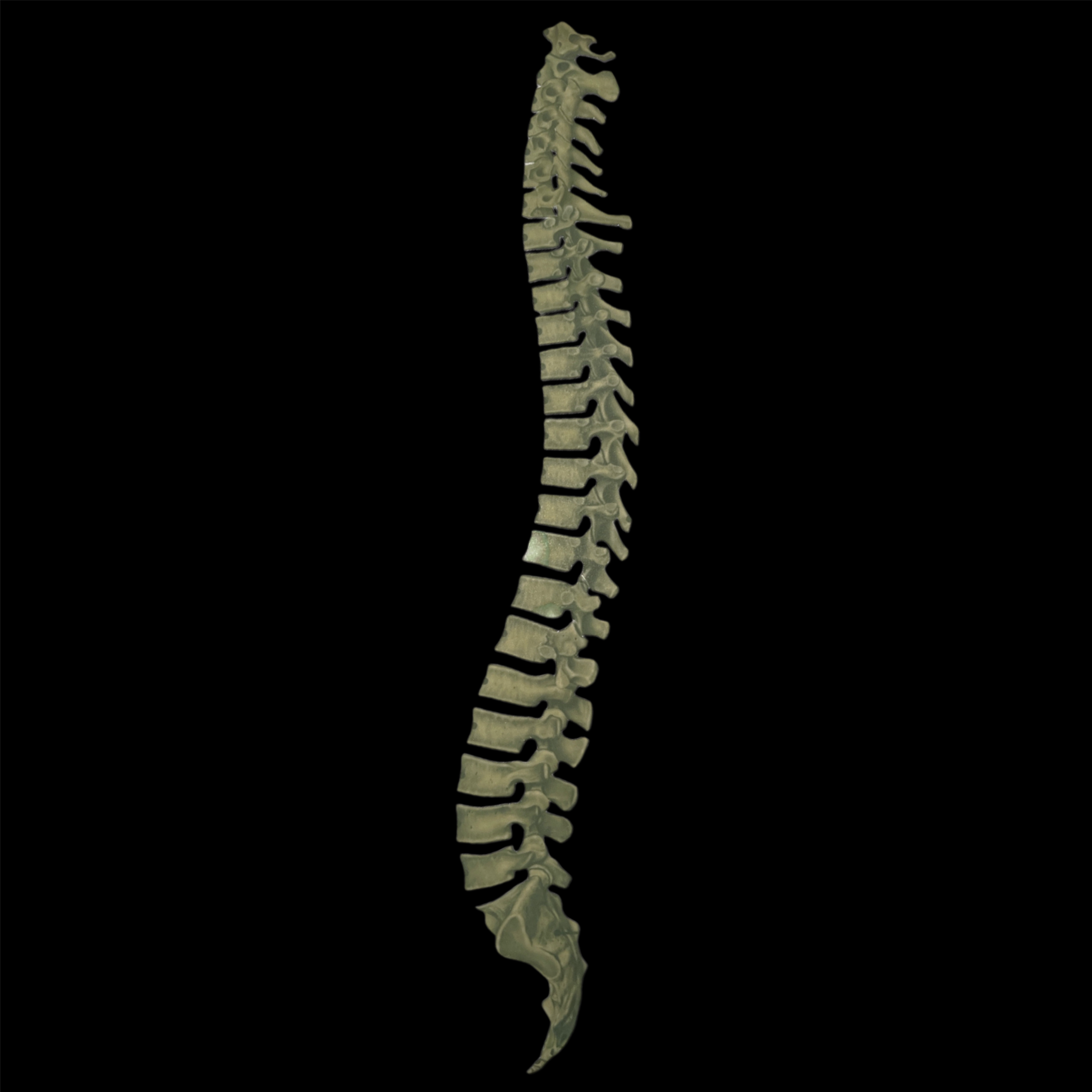
Spinal Integrity
Improve your relationship with gravity
-

Medical History
Collaborate with your Medical Professionals and Specialists
-

Height & Vertical Reach
Indicator of leg strength
-

Girth
Metabolism & Nutrition
-
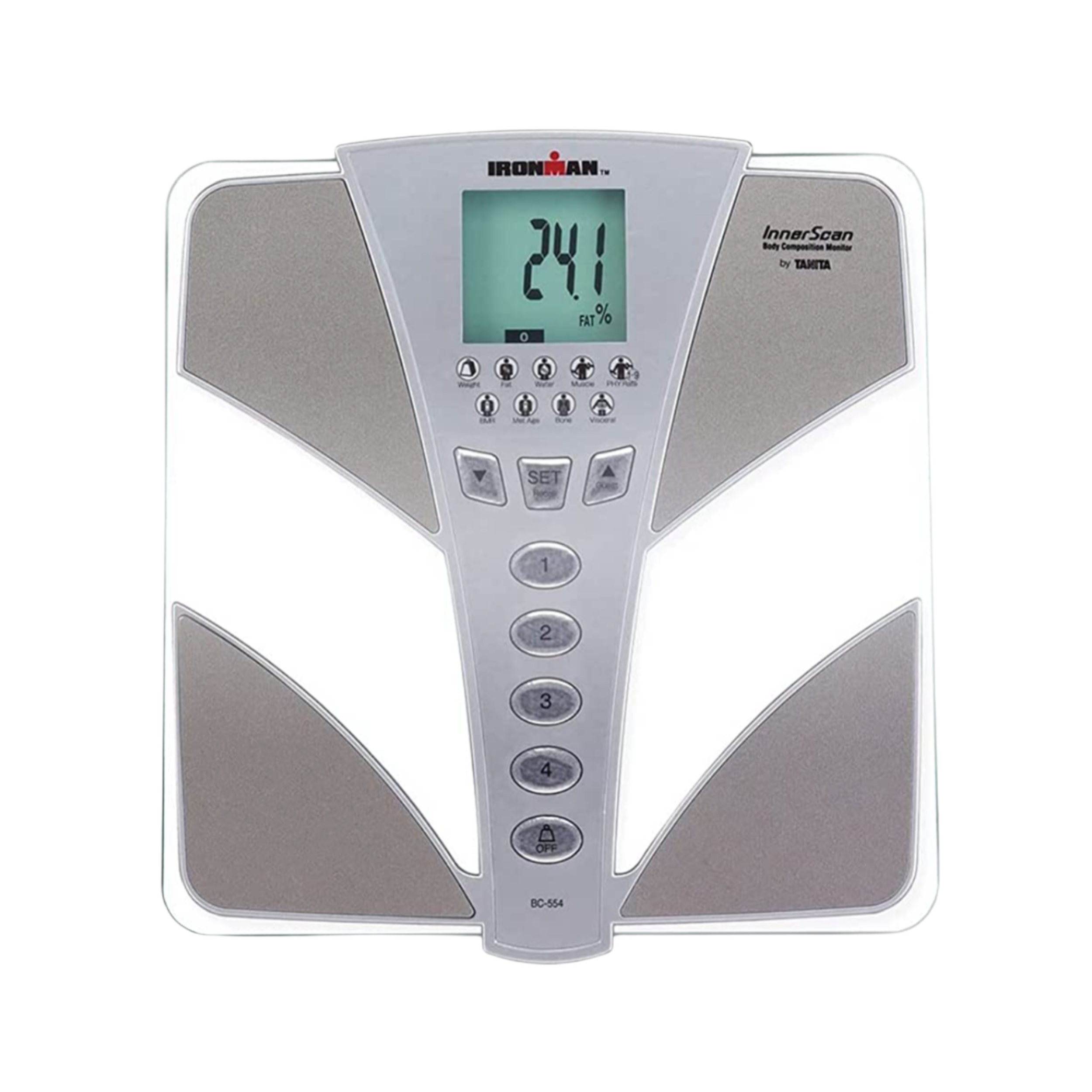
Biometrics
Stay in shape
-

Gait
Improve how you move
-
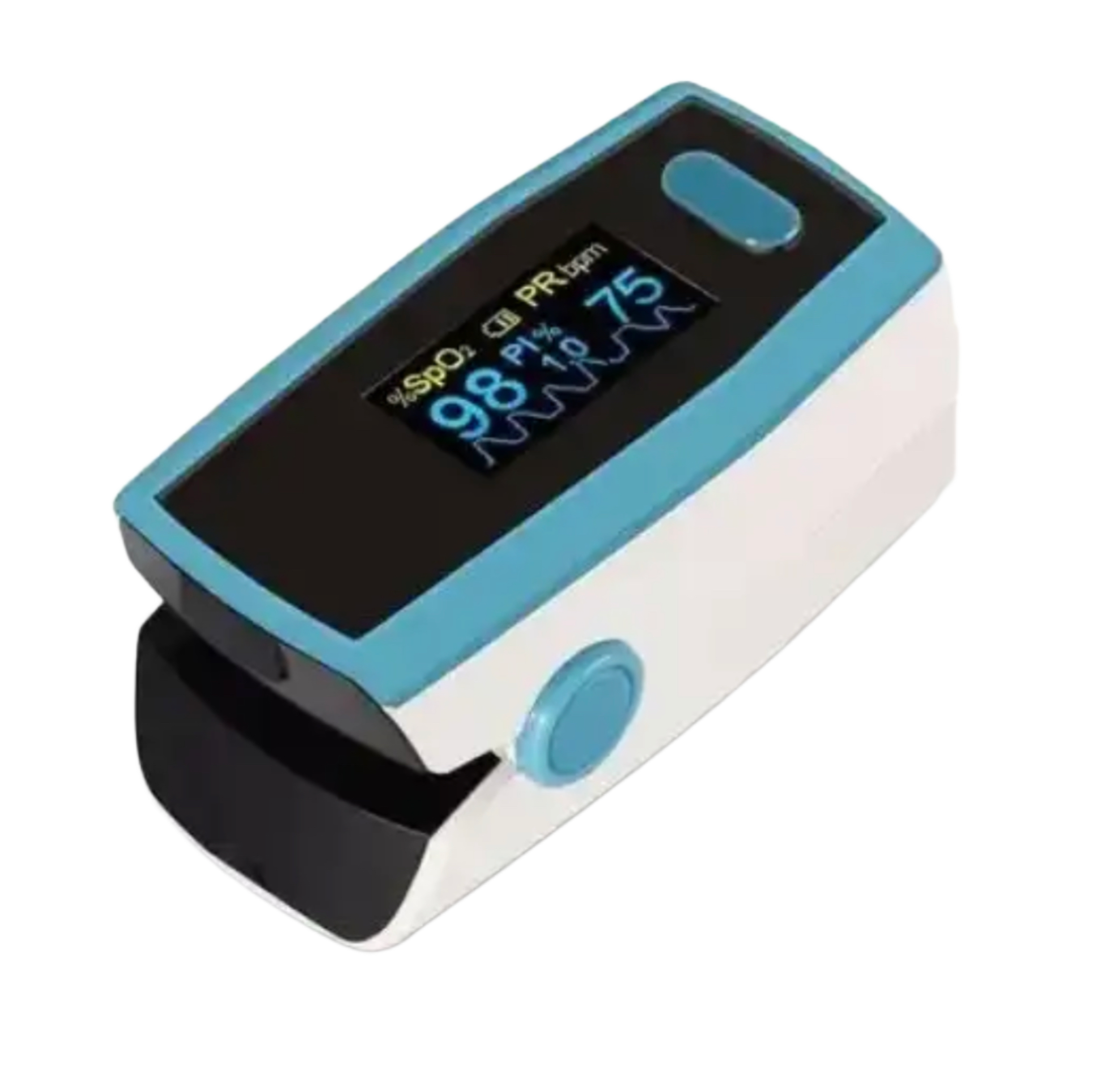
Oximetry
Live Blood Pressure during activity
-
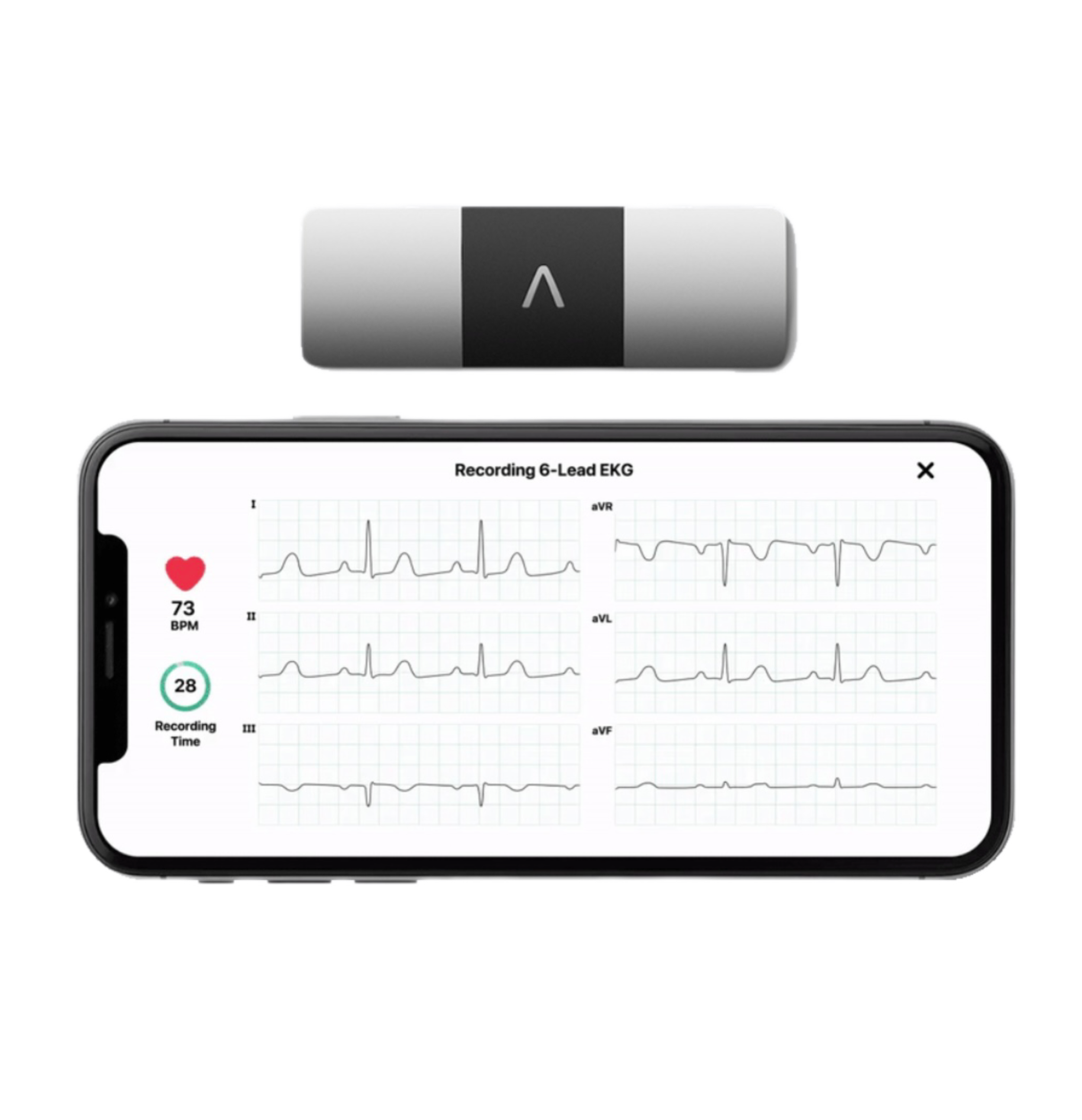
Echocardiogram
Heart Rhythm in response to training
Kimberley provides Health and Pain Management through evidence based clinical Exercise Science, Neuroscience, Yoga and Biomechanics to serve your medical, health & performance needs and goals. Kim wrote her thesis on Spinal Cord Injury and has dedicated her teaching to the prevention or mitigation of health complications through the provision of quality suitably challenging but gentle exercise that teaches the individual person/athlete how to improve performance with self knowledge and taking control of body loading patterns.
Kimberley established Intelligent Physiq — a Concept Gym — to streamline Body Knowledge via the Intelligent Physiq Training System.
Kimberley Anderson
Registered AusActive Personal Trainer | Gym Instructor | Yoga Instructor | Group Exercise Instructor
Registered Yoga Australia Yoga Teacher


Professional Memberships






















Pricing & Terms
Terms & Conditions
Billing is invoiced monthly and is paid upfront.
Two month minimum commitment.
One month cancellation notice in writing.
One month suspension per annum (excludes discounts).
Invoice must be paid prior to appointment.
24 hour reschedule policy or full session may be charged.
Pricing
1 x weekly One-on-One Training Session $400p/m
Casual One-on-One Session $100
Payment options; Bank deposit, Debit/Credit Cards, Apple Pay, Afterpay, cash.
Contact
Mobile: (+61) 0402 203 354
Email: safe@physiq.au
Address: 5 High St, Doncaster 3108
Tende Beck Scout Hall (ample parking)
Directions:
Enter 5 High St via Paul St/Kingsnorth St
Private Scout Driveway at South of Paul St/Kingnorth St
Instagram: physiq.au
Facebook: physiq.au
Qualifications
BODY
· Bachelor of Biomedical Science Functional Anatomy of the Trunk; Functional Anatomy of the Limbs, Functional Anatomy of the Head and Neck, Rehabilitation Anatomy, Human Physiology 1, Human Physiology 2, Advanced Neurosciences, Cardiorespiratory & Renal Physiology (withdrew 2026). Transferred (2026) into first year Bachelor of Science (Osteopathy) / Master of Health Science (Osteopathy), have not completed either qualification.
· Bachelor of Exercise Science & Human Movement Biomechanics, Structural Kinesiology, Motor Learning, Philosophy of Exercise Science & Human Movement, Sport Psychology, Exercise Psychology, Human Physiology, Exercise Physiology, Social Dimensions of Sport and Exercise, Sport History, World History, Sports and Fitness Delivery Systems, Professional Ethics, Performance Self, Editing Principles and Practice, Children’s Texts, Introduction to Media Writing, Career Professional Development 1; 2; 3.
· Diploma of Classical Yoga (3000+ hours of Teaching Yoga) Human Anatomy, Human Physiology, Yoga Asana, Yoga Sutras, Yama, Niyama, Asana, Pranayama, Pratyahara, Dharana, Dhyana, Samadhi, Meditation, Self Study.
· Certificate IV in Fitness (Personal Training); Certificate III in Fitness (Group Exercise Instructor); Certificate II in Fitness (Gym Instruction)
· Certificate IV in Bowen Therapy (current)
· Certificate III in Sports Coaching (Bronze Swim Coach)
· Wholistic Diagnostic Craniosacral Assessment & Methodology
· Dance Teacher Training
MIND
· Graduate Diploma in Psychology Professional Orientation (Psychological Assessment), Psychology in Practice, Social Research in Context A, Social Research in Context B, Principles and Practice of Cognitive Behaviour, Field Research, Extended Field Research.
· Bachelor of Psychology Psychology 1A, Psychology 1B, Psychology 2A, Psychology 2B, Developmental Issues in Psychology, Psychobiology, Research Methods in Psychology, History and Theories in Psychology, Clinical Aspects of Psychology, Counselling Theory and Practice.
· Diploma of Clinical Hypnosis